
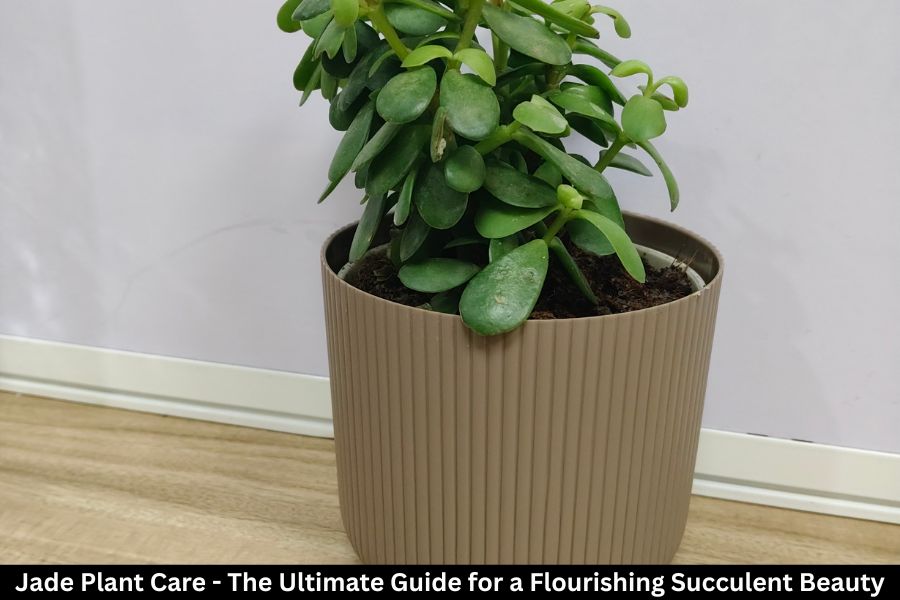
Growing a jade plant is like inviting a little green gem into your home. These thick, glossy, oval-leaved succulents aren’t just beautiful—they’re also incredibly resilient. Jade plants symbolize good luck, prosperity, and long-lasting friendship, making them a favorite among plant lovers and gift givers alike.
What Makes Jade Plants So Popular?
They’re low-maintenance, slow-growing, and can live for decades. Some even pass down generations like a living family heirloom—pretty cool, right?
Origin and Natural Habitat
Native to South Africa, jade plants thrive in rocky, warm, sunlit environments. Understanding their natural habitat helps you recreate the perfect conditions at home.
Why They’re Considered Symbols of Good Luck
In Feng Shui, jade plants represent growth, prosperity, and financial abundance—hence the nickname “Money Tree.”
Understanding the Jade Plant
Key Characteristics
Jade plants are evergreen succulents with thick stems and fleshy leaves. They store water efficiently, making them drought-tolerant.
Different Varieties You Can Grow
Crassula ovata
The classic, most popular jade with oval leaves.
Gollum Jade
Tube-like leaves that look like green little trumpets.
Hobbit Jade
Curved, pipe-shaped leaves—think fantasy vibes.
Variegated Jade
Green leaves with creamy yellow or white patterns.
Ideal Growing Conditions
Light Requirements
Jade plants love sunlight—4 to 6 hours of bright, indirect light is perfect. Direct harsh light can scorch young leaves, though mature plants handle it well.
Temperature Needs
They thrive between 65°F–75°F (18°C–24°C) but can tolerate cooler nights.
Humidity Levels
They prefer dry air. High humidity may cause fungal issues.
Best Soil Mix
Use a fast-draining succulent soil mix. A blend of:
- 2 parts cactus mix
- 1 part perlite
- 1 part coarse sand
works wonders.
Watering Your Jade Plant
How Often Should You Water?
Follow the golden rule: Let the soil dry out completely before watering again.
Signs of Overwatering
- Mushy leaves
- Leaves falling off easily
- Root rot smell
Signs of Underwatering
- Wrinkled, shriveled leaves
- Slow growth
Fixing Watering Issues
Reduce watering during winter, avoid letting water sit in the saucer, and ensure the pot drains well.
Potting & Repotting
Choosing the Right Pot
A clay pot is ideal—it wicks moisture and prevents overwatering.
When and How to Repot
Repot every 2–3 years or when roots peek from the drainage holes. Use fresh soil and a slightly bigger pot.
Root-Bound Problems
Root-bound jade plants stop growing. Gently loosen roots during repotting for a fresh start.
Fertilizing for Better Growth
Best Fertilizers
A diluted, balanced liquid fertilizer or a cactus fertilizer works great.
How Often to Fertilize
Once every 4–6 weeks during spring and summer.
Mistakes to Avoid
- Don’t fertilize in winter
- Avoid overfeeding—it can burn roots
Pruning & Shaping
Why Prune?
Pruning helps maintain shape and encourages branching.
How to Prune Safely
Use sterilized scissors. Cut just above a leaf node to encourage new growth.
Encouraging Bushiness
Pinch off leggy stems—your plant will respond by branching out.
Propagation Guide
Leaf Propagation
Place a healthy leaf on dry soil and wait for tiny roots to form.
Stem Cutting Method
Cut a 3–4 inch healthy stem, let it callus for 2 days, plant in dry soil.
Water vs Soil Rooting
Jade plants root better in soil, but water rooting works too—you just need patience.
Common Problems & Solutions
Yellowing Leaves
Usually caused by overwatering.
Wrinkled Leaves
Time to water!
Pests
Mealybugs are the biggest troublemakers. Use neem oil or rubbing alcohol to remove them.
Dropping Leaves
Often due to sudden temperature changes or lack of light.
Seasonal Care Tips
Winter Care
Water less. Keep away from cold windows.
Summer Care
Provide shade during extreme heat.
Monsoon Tips
Avoid humidity buildup—use a fan for air circulation.
Indoor vs Outdoor Jade Plant Care
Best Indoor Spots
South-facing windows, balconies, bright rooms.
Outdoor Care
Protect from harsh afternoon sun and heavy rain.
Feng Shui & Jade Plants
Best Placement
Place near entrances, living rooms, or office desks for good energy flow.
Why They’re Called “Money Trees”
Their round leaves resemble coins—symbolizing wealth.
Conclusion
A jade plant isn’t just a plant—it’s a statement of growth, positivity, and effortless beauty. With just the right balance of light, water, soil, and care, your jade plant can flourish for decades. Whether you’re a beginner or a seasoned plant parent, these tips will help your succulent beauty thrive all year long.
FAQs
1. How often should I water my jade plant?
Only when the soil is completely dry—usually every 10–20 days depending on climate.
2. Can jade plants survive without sunlight?
Not really. They need bright light to grow well.
3. How big can a jade plant grow?
Up to 3–6 feet tall with proper care.
4. Why are my jade plant leaves turning soft?
Overwatering is the likely culprit.
5. Is jade plant poisonous to pets?
Yes, jade plants are mildly toxic to cats and dogs if ingested.