
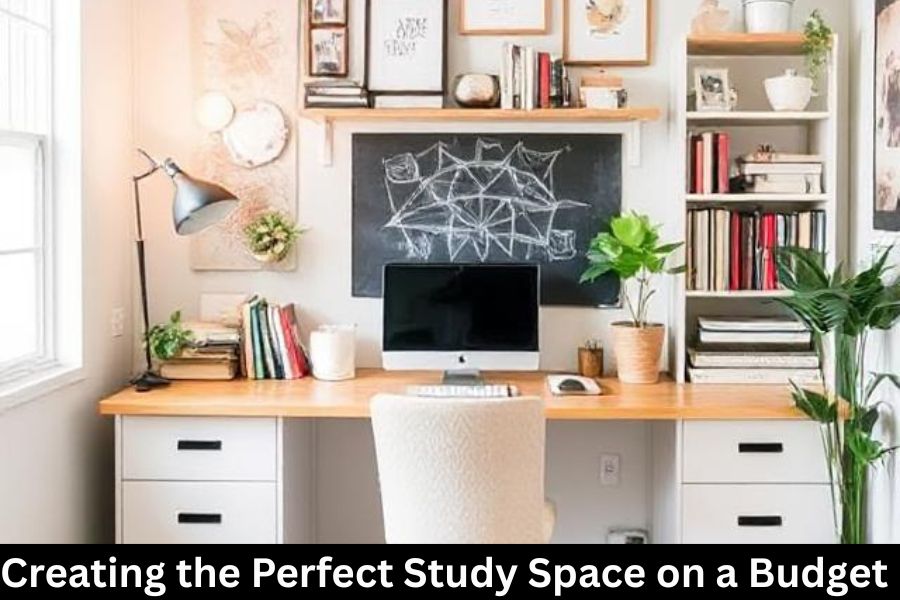
You don’t need a fancy desk or designer lamp to create the perfect study space. What you really need is comfort, organization, and a layout that supports your focus. With just a bit of creativity and minimal spending, you can transform any corner into a productive, motivating study zone. Your study space doesn’t need to be expensive—it just needs to work for you.
Why Your Study Space Matters
The environment you study in affects your focus, motivation, and energy levels.
The Psychology of a Productive Environment
A clean, organized space makes it easier for your brain to concentrate.
Budget-Friendly Doesn’t Mean Low Quality
With smart choices, even simple setups can outperform costly ones.
Choosing the Right Location
Quiet Corners Boost Focus
Find areas away from noise—near windows or empty corners work great.
Avoid High-Traffic Spots
Stay away from kitchens, living rooms, or areas where people pass frequently.
Make the Most of Small Spaces
Even a tiny nook can become a powerful study zone with the right setup.
Decluttering for Maximum Productivity
Clear Space, Clear Mind
A messy area distracts your brain more than you think.
Budget-Friendly Storage Solutions
Use small baskets, bins, or recycled jars to store essentials.
Use Vertical Space
Hang shelves or hooks to expand your storage upward.
Affordable Desk Ideas
Repurpose Existing Furniture
A spare table, dresser, or even an ironing board can become a desk.
DIY Desk Hacks
Use wooden boards and cheap brackets for a wall-mounted desk.
Small Desks for Tight Budgets
Look for space-saving foldable desks or thrift store finds.
Budget-Friendly Seating Options
Support Good Posture
Using a sturdy chair helps you sit upright and stay focused.
Cushions & Back Support
Add cushions, rolled towels, or lumbar pillows for support.
Use What You Already Have
Dining chairs work perfectly with slight adjustments.
Lighting That Enhances Learning
Natural Light Advantages
Sunlight boosts mood and concentration—use it when possible.
Cheap Desk Lamps
LED lamps are affordable, bright, and energy-efficient.
Warm vs Cool Light
Cool light keeps you alert; warm light is relaxing for evenings.
Organizing Your Study Essentials
Affordable Organizers
Buy low-cost trays, baskets, or multipurpose storage boxes.
DIY Jar & Box Organizers
Use mason jars, shoe boxes, or recycled containers.
Keep Only What You Need
A clutter-free desk equals a clutter-free mind.
Personalizing Your Study Corner
Motivational Decor
Quotes, vision boards, or photos add inspiration.
Low-Cost Wall Art
Print your favorite designs or make your own.
Plants & Natural Elements
Small plants boost mood and air quality.
Sound Control on a Budget
Noise-Canceling Without Spending Much
Use white noise apps, earplugs, or soft background music.
Soft Furnishings Reduce Noise
Rugs, curtains, and cushions absorb sound.
Study-Boosting Background Sounds
Nature sounds or Lo-Fi playlists work wonders.
Smart Tech Additions for Less
Budget Headphones
Affordable earphones help block distractions.
Cheap Study Apps
Use free or low-cost apps for timers, notes, or flashcards.
Economical Keyboard & Mouse Options
Comfortable tools improve long study sessions.
Keeping Your Study Space Comfortable
Temperature & Airflow
Keep your space cool and fresh—open windows or use a small fan.
Cozy but Not Sleepy
Comfort is key, but avoid overly soft furniture.
Minimal Clutter = More Comfort
Less mess equals more room to breathe and focus.
Creating a Study Routine Within Your Space
Set Up for Consistency
Use your study space only for studying—not for eating or sleeping.
Time-Blocking Techniques
Break study time into chunks for better productivity.
How Your Space Affects Motivation
A neat setup reminds your brain it’s time to learn.
Using Color Psychology Without Overspending
Calming Colors
Blue and green help maintain focus.
Energizing Colors
Yellow or orange add creative energy.
Budget Ways to Add Color
Use posters, sticky notes, or fabric pieces.
Maintaining Your Study Space
Weekly Reset
Clean and reorganize once a week.
Avoid Clutter Buildup
Put things back immediately after use.
Update Without Extra Cost
Rearrange your layout to refresh your space.
Conclusion
Creating a perfect study space doesn’t require a big budget—just mindful planning and creativity. With decluttering, smart lighting, affordable furniture, and personal touches, you can design a space that motivates, inspires, and supports productivity. When your environment is designed for success, studying becomes smoother and far more enjoyable.
FAQs
1. How do I create a study space if my room is too small?
Use corners, wall-mounted desks, or foldable furniture.
2. Does lighting really affect studying?
Yes! Good lighting reduces eye strain and boosts focus.
3. How can I improve my study space without buying new furniture?
Declutter, reorganize, or repurpose existing items.
4. Are plants good for a study area?
Absolutely—they improve mood and air quality.
5. How do I keep my study area clutter-free?
Use small organizers and clean your desk daily.