
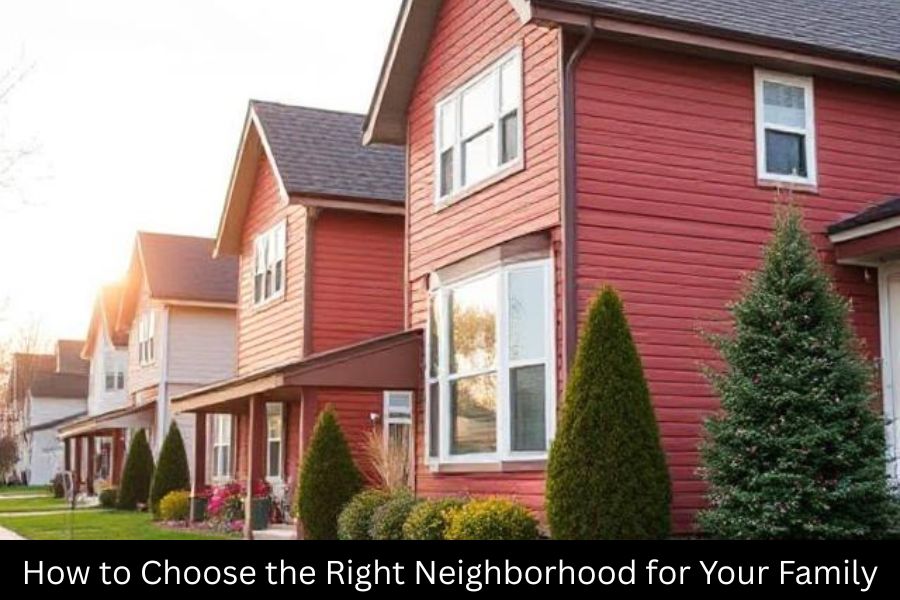
Choosing the right neighborhood for your family is one of the most important decisions you’ll ever make. It affects your safety, happiness, lifestyle, daily routine, and your children’s future. A good neighborhood isn’t just about pretty houses or wide roads—it’s about finding a place that feels safe, supportive, and aligned with your family’s needs. And the best part? You don’t need a huge budget to find a perfect fit. You just need the right strategy.
Why the Right Neighborhood Matters
Where you live impacts your well-being, commute, social life, and peace of mind.
Lifestyle, Safety & Comfort
A neighborhood that aligns with your values makes daily life smoother.
What Families Should Prioritize
Safety, schools, amenities, and community culture are usually the top concerns.
Understand Your Family’s Needs
Space Requirements
Do you need more room for kids, pets, or hobbies?
Safety Expectations
Every family has different comfort levels—define yours clearly.
Daily Routines & Lifestyle
Do you prefer calm streets or lively communities? Close to work or close to parks?
Safety First – What to Look For
Crime Rates
Research local crime statistics before making a decision.
Street Lighting & Visibility
Well-lit streets make evening walks safer.
Community Watch Programs
Areas with neighborhood watch initiatives tend to be safer.
Check the Quality of Local Schools
Public vs Private Schools
Explore options that match your educational preferences.
School Ratings & Reviews
Check academic performance, teacher reviews, and extracurricular activities.
Proximity & Commute Time
A nearby school saves time and reduces stress for both children and parents.
Access to Essential Amenities
Grocery Stores, Pharmacies & Clinics
Life becomes easier when necessities are close by.
Parks, Playgrounds & Sports Facilities
Kids need outdoor areas for play, and adults need places to stay active.
Childcare Centers & After-School Programs
Convenient access supports working parents.
Affordability & Cost of Living
Housing Prices & Rent
Compare home prices, rental costs, and what fits your budget.
Hidden Costs
Taxes, HOA fees, maintenance expenses—don’t overlook them!
Future Growth & Property Value
A neighborhood with rising value is a smart long-term investment.
Commute Convenience
Distance to Work
A long commute affects family time and energy.
Public Transport Availability
Buses, metros, trains—transport options matter.
Traffic Patterns & Road Conditions
Check traffic at peak times to avoid daily frustration.
Neighborhood Vibe & Community Culture
Family-Friendly Environment
Look for places with parks, schools, and community activities.
Noise Levels & Traffic
Quieter neighborhoods feel more peaceful and safer for kids.
Neighbors & Social Atmosphere
Friendly neighbors can make a huge difference in your day-to-day life.
Outdoor Spaces & Greenery
Play Areas for Kids
Kids thrive when they have free, safe spaces to explore.
Walking or Biking Routes
Great for evening strolls, exercise, and family outings.
Cleanliness & Maintenance
Well-kept streets show active community involvement.
Healthcare Access
Hospitals & Emergency Care
Close access can be life-saving during emergencies.
Family Doctors
A good general practitioner nearby adds extra security.
Dental & Pediatric Clinics
Convenient for routine checkups.
Future Development Plans
Upcoming Projects
New schools, malls, or parks add value to the area.
Infrastructure Growth
Roads, transport, and beautification upgrades matter.
Impact on Lifestyle
Development can improve or disrupt the neighborhood—research carefully.
Noise, Pollution & Environment
Air Quality
Avoid areas with industrial pollution.
Traffic & Industrial Noise
Busy roads and factories can disturb peace.
Waste Management
A clean environment means a healthier community.
Exploring the Neighborhood in Person
Visit at Different Times
Observe morning, afternoon, and night activity levels.
Talk to Residents
Locals can give honest insights into the area.
Observe Day-to-Day Life
Are people out walking? Are kids playing outside? It speaks volumes.
Online Research & Tools
Neighborhood Review Websites
Sites give reviews, rankings, and crowd-sourced information.
Real Estate Apps
Track prices, trends, and property details.
Local Community Forums
Facebook groups, Reddit, and WhatsApp groups offer valuable opinions.
Trust Your Instincts
How the Area Makes You Feel
Sometimes your intuition knows before your mind does.
Emotional Comfort
If it feels peaceful and safe, that’s a good sign.
Does It Feel Like Home?
Picture yourself living there—does it feel right?
Conclusion
Choosing the right neighborhood for your family is about understanding your priorities and matching them with the community that fits best. When you consider safety, schools, affordability, amenities, vibe, and long-term comfort, you’ll find a place where your family can grow, thrive, and create lasting memories. Take your time, do your research, trust your instincts—and your perfect neighborhood will reveal itself.
FAQs
1. What is the most important factor when choosing a neighborhood?
Safety and comfort often top the list for most families.
2. Are schools really important when deciding where to live?
Yes—good schools improve lifestyle and property value.
3. How do I know if a neighborhood is kid-friendly?
Look for parks, playgrounds, families, and school accessibility.
4. Should I visit a neighborhood before moving?
Absolutely—visiting gives you a realistic feel of the environment.
5. Is it better to choose a developing neighborhood?
It can be cost-effective, but research future plans to avoid surprises.