
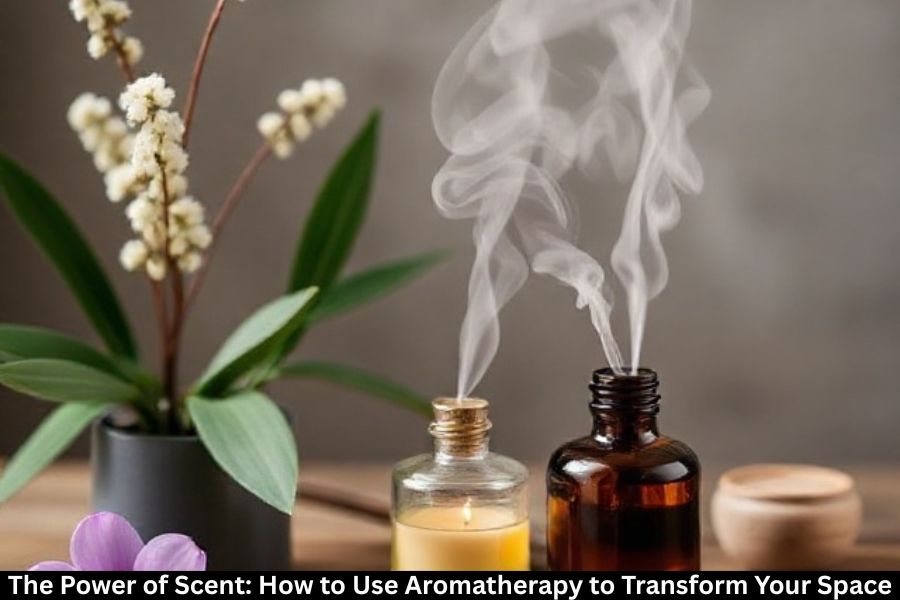
Imagine walking into your home after a long day and instantly feeling calmer—just because of the scent in the air. That’s the magic of aromatherapy. Scents carry the power to shift your mood, reset your mind, and transform ordinary rooms into soothing sanctuaries. Your environment deeply shapes your emotions, and aromatherapy helps you design a space that supports peace, energy, or relaxation—whatever you need most.
Why Scents Influence Mood
Your sense of smell is directly connected to the brain’s emotional center, making scents powerful mood shifters.
Science Behind Aromatherapy
Essential oils contain natural compounds that stimulate the brain and body through inhalation.
How Your Space Reflects Your Emotional State
A calm scent creates a calm mind. A fresh scent creates fresh energy. It’s all interconnected.
What Exactly Is Aromatherapy?
The History of Aromatherapy
Used since ancient Egypt, India, and China, aromatherapy has been a healing tool for thousands of years.
How Essential Oils Work
They travel through your limbic system, influencing emotions, heart rate, and stress levels.
Why Aromas Affect the Brain Directly
Smell bypasses logic and memory filters—making it the fastest way to influence mood.
Benefits of Aromatherapy in Your Living Space
Stress Relief
Lavender, chamomile, and frankincense help soothe tension.
Improved Focus
Peppermint and rosemary sharpen concentration.
Better Sleep
Sandalwood and lavender calm your nervous system before bed.
Emotional Harmony
Floral scents like rose or jasmine ease emotional fatigue.
Energy Boost
Citrus oils instantly refresh and invigorate your senses.
Different Types of Aromatherapy Tools
Diffusers
Ultrasonic Diffusers
Use water and ultrasonic vibrations to release a fine mist of essential oils.
Reed Diffusers
Great for continuous fragrance without electricity.
Nebulizers
Most powerful—they disperse pure oil without dilution.
Scented Candles
Perfect for ambiance plus aroma.
Room Sprays
Instantly refresh any space.
Essential Oil Roll-Ons
Portable aromatherapy.
Simmer Pots
A natural, cozy way to fill your home with warm fragrance.
Choosing the Right Essential Oils for Your Needs
Calming Oils
Lavender
Reduces anxiety and promotes restful sleep.
Chamomile
A gentle relaxant perfect for evening routines.
Sandalwood
Grounding and emotionally stabilizing.
Energizing Oils
Lemon
Bright, fresh, and uplifting.
Peppermint
Clears mental fog instantly.
Eucalyptus
Refreshing and great for breathing comfort.
Oils for Focus
Rosemary
Boosts memory and concentration.
Cedarwood
Great for grounding during work.
Basil
Sharpens mental clarity.
Oils for Emotional Healing
Rose
Comforts the heart and fosters self-love.
Ylang-Ylang
Balances emotions and reduces irritability.
Jasmine
Uplifts mood and boosts confidence.
How to Use Aromatherapy to Transform Different Rooms
Living Room – Welcoming & Warm
Use citrus, rosemary, or sandalwood to make it inviting.
Bedroom – Relaxation & Sleep
Lavender, chamomile, or vanilla create a calming retreat.
Bathroom – Fresh & Spa-Like
Peppermint or eucalyptus for a crisp and refreshing feel.
Kitchen – Clean & Refreshing
Lemon, lemongrass, and basil neutralize cooking odors.
Workspace – Focus & Productivity
Peppermint, cedarwood, and rosemary help maintain clarity.
The Art of Layering Scents
Combining Complementary Oils
Pair lavender with vanilla, or lemon with peppermint.
Creating Signature Home Scents
Blend oils that represent you—your personality, comfort, and mood.
How Not to Overdo It
Stick to 2–3 oils to avoid overwhelming the senses.
Creating Aromatherapy Rituals
Morning Scent Ritual
Start the day with citrus or peppermint.
Night-Time Ritual
Unwind with sandalwood or lavender.
Stress-Relief Ritual
Use chamomile or rose during journaling or meditation.
Seasonal Aromatherapy
Autumn spices, spring florals, summer citruses, winter woods.
Safety Tips When Using Essential Oils
Dilution Guidelines
Always mix essential oils with a carrier oil when applying to skin.
Pets & Aromatherapy
Cats and dogs are sensitive—choose pet-safe oils.
Avoiding Skin Sensitivity
Patch-test before topical use.
Quality Matters
Use pure, high-quality essential oils.
Budget-Friendly Aromatherapy Ideas
DIY Room Sprays
Water + essential oil + witch hazel = instant freshness.
Scented Sachets
Dried herbs and cotton bags for drawers and closets.
Stove-Top Simmer Pots
Boil lemon slices, cinnamon, and cloves for a cozy scent.
How Aromatherapy Enhances Mindfulness
Anchoring Your Mind with Scents
Use aroma as a signal to start meditation or relaxation.
Scent-Based Meditation
Focus on inhaling deeply and observing the aroma.
Emotional Reset Through Aroma
Specific scents can shift your mood in seconds.
The Psychology of Scent & Memory
Why Smells Trigger Emotions
Scents are stored deeply in emotional memory centers.
Creating Positive Associations
Use your favorite scent during happy moments.
Improving Daily Routines
Attach scents to habits—like a “focus scent” for work.
Cultural & Traditional Uses of Aromatherapy
Indian Ayurveda
Healing herbs and oils for balance.
Japanese Incense Culture
Used for meditation and purity.
Middle Eastern Perfume Traditions
Rich oils and attars as part of identity and ritual.
Conclusion
Aromatherapy is more than just a pleasant scent—it’s a powerful tool that transforms the energy of your space. With the right oils, tools, and rituals, you can create an environment that calms your mind, uplifts your emotions, and supports your daily routines. Whether you’re seeking peace, productivity, or positivity, scent has the power to shift your entire atmosphere.
FAQs
1. Can aromatherapy really change the feel of a room?
Yes! Scents have a strong effect on mood and atmosphere.
2. Which essential oil is best for stress relief?
Lavender, chamomile, and rose are excellent options.
3. Are diffusers safe to use every day?
Yes, as long as you use pure oils and follow safety guidelines.
4. What’s the best scent for productivity?
Peppermint, rosemary, and lemon help boost focus.
5. Can aromatherapy help with sleep?
Absolutely—lavender and sandalwood are especially effective.